
Programs
Fitness programs for kids 2 to 15 in Mississauga
Four age groups, each with its own 45-minute class. Pick your child’s group to see what it covers and what Canada’s guidelines say about kids that age.
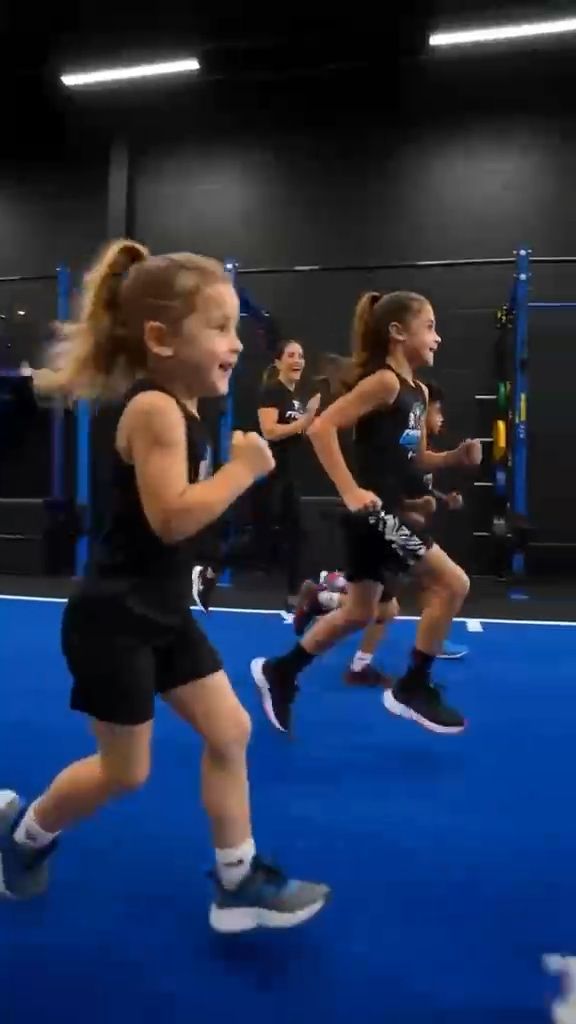
Ages 2–4
Rookies
Playful movement, balance, coordination and joyful first steps toward confidence.
- 45-minute classes
- All fitness levels welcome
- Coach-led
How much activity do toddlers and preschoolers need?
- Ages 1–2: at least 180 minutes a day in a variety of physical activities at any intensity, including energetic play, spread throughout the day.
- Ages 3–4: at least 180 minutes a day spread throughout the day, of which at least 60 minutes is energetic play.
Source: Canadian 24-Hour Movement Guidelines, Early Years (CSEP) (opens the source), checked October 2026
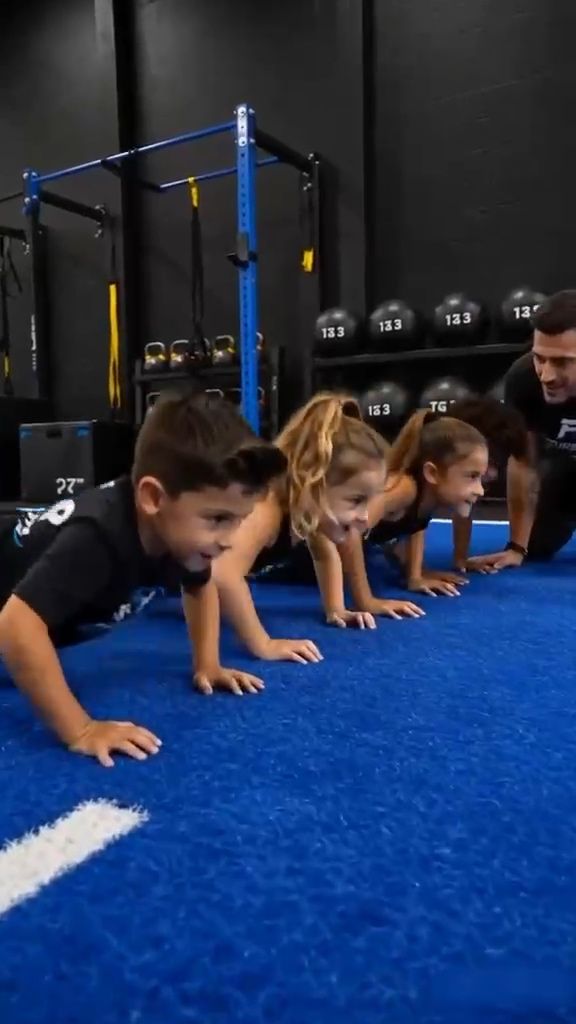
Ages 5–8
Juniors
Fun fitness challenges that develop body awareness, teamwork and a can-do attitude.
- 45-minute classes
- All fitness levels welcome
- Coach-led
What Canada recommends from age 5
- At least 60 minutes a day of moderate to vigorous physical activity, made up of a variety of aerobic activities.
- Vigorous activity, and muscle and bone strengthening, each at least 3 days a week.
Source: Canadian 24-Hour Movement Guidelines, Children and Youth (CSEP) (opens the source), checked October 2026
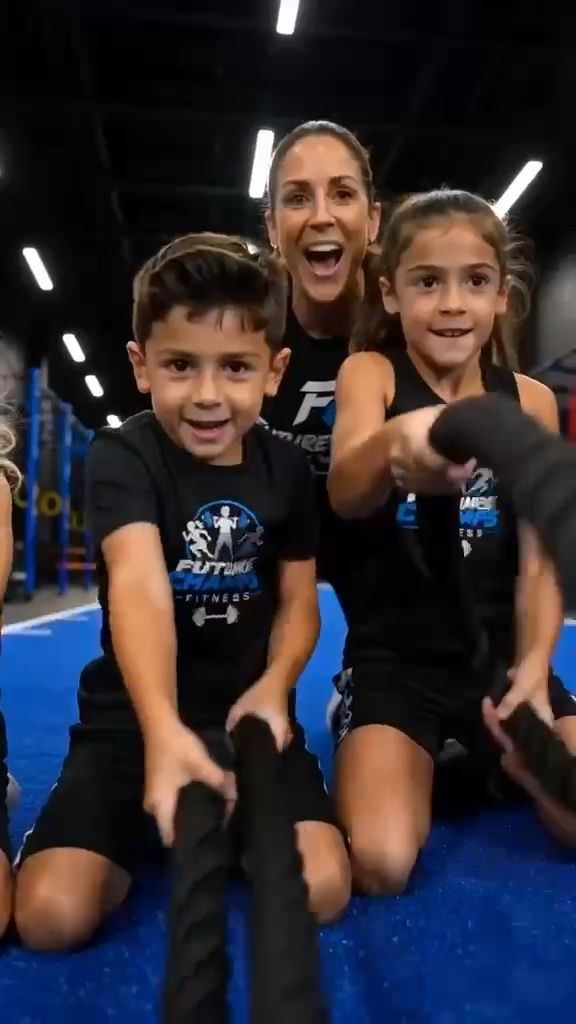
Ages 9–12
Elite
Build strength, agility and resilience through exciting, progressively challenging workouts.
- 45-minute classes
- All fitness levels welcome
- Coach-led
Strength training at this age
- Canada’s exercise physiology society (CSEP) states there is no minimum age for resistance training, and that with proper training methods it can be relatively safe and improve overall health.
- Its position paper calls for gradual progression under qualified instruction and supervision, with appropriately sized equipment.
Source: CSEP position paper on resistance training (2008) (opens the source), checked October 2026
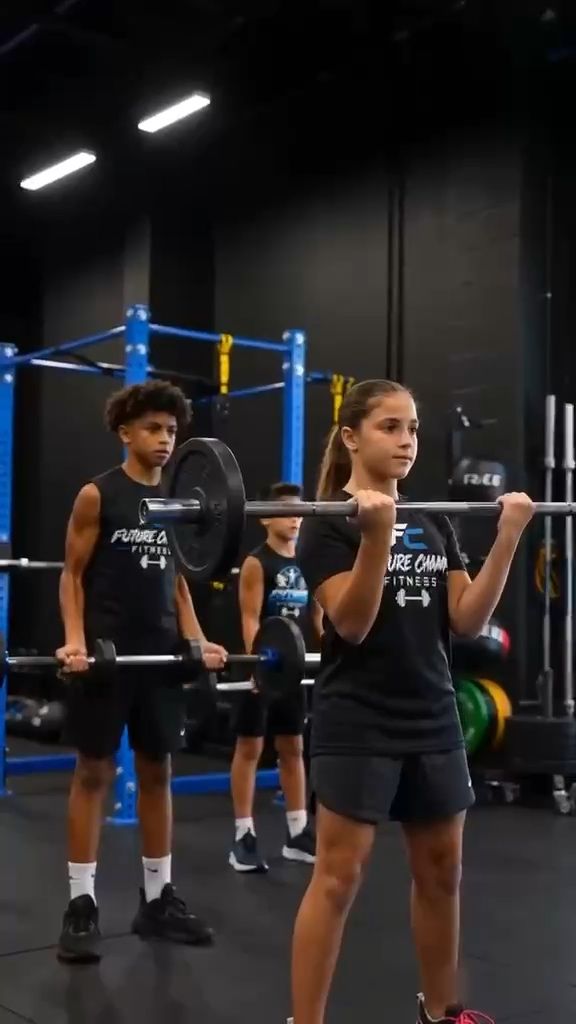
Ages 13–15
Pros
Purposeful athletic conditioning, performance skills and confidence that carries beyond the gym.
- 45-minute classes
- All fitness levels welcome
- Coach-led
Teens and training
- The same 60-minutes-a-day guideline applies through age 17, with vigorous activity and muscle and bone strengthening at least 3 days a week.
- CSEP’s position paper suggests low-to-moderate intensity resistance training 2–3 times a week on non-consecutive days.
Source: CSEP position paper on resistance training (2008) (opens the source), checked October 2026
For context
How movement skills build
Sport for Life’s Long-Term Development framework, used across Canadian sport, describes stages children move through. The stages follow a child’s development rather than exact birthdays; the framework gives Active Start as 0–6 years.
Active Start
From 0–6 years, boys and girls need to be engaged in daily active play.
FUNdamentals
Children develop fundamental movement skills in structured and unstructured environments for play.
Learn to Train
Once a wide range of fundamental movement skills have been acquired, participants progress to learning to train.
Train to Train
Rapid physical growth, the development of sporting capability, and commitment occur in this stage.
Source: Sport for Life, Long-Term Development 3.0 (opens the source), checked October 2026
Beyond group classes
Advanced athletic training and 1:1 training
For kids who want more, Future Champs also offers advanced athletic training and 1:1 training. Ask the team about packages.
Founding member offer
Be one of the first 25 champs.
$99 + tax a month for 4 classes, instead of $120. Joining the list takes no payment.